
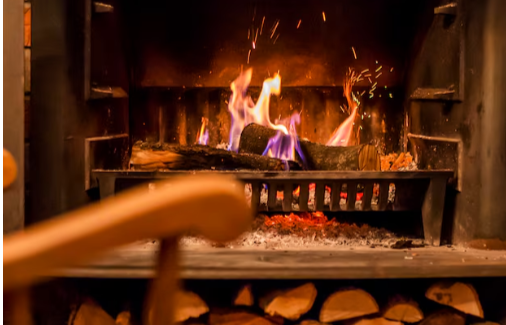
As the cooler months approach, few things compare to the cozy warmth of a crackling fireplace. However, your chimney works hard behind the scenes, enduring intense heat, freezing temperatures, heavy rain, and snow throughout the year.
Neglecting this vital structural component can lead to hidden damage, decreased heating efficiency, and dangerous fire hazards. Taking a proactive approach to chimney care ensures that your fireplace remains a safe and comforting focal point for your home for years to come.
The Importance of Routine Chimney Inspection for Early Detection
Catching structural issues before they escalate into expensive structural disasters begins with a professional chimney inspection. Experts recommend having your system evaluated at least once a year, ideally before the heavy burning season begins.
A certified technician looks deep into the flue, checking for creosote buildup, cracked mortar joints, animal nests, and water intrusion. Identifying these subtle warning signs early prevents hazardous creosote fires and ensures smoke vents safely away from your living spaces.
Addressing Structural Issues Promptly Through Expert Chimney Repair
Even with meticulous care, harsh weather and natural settling can take a toll on masonry. Delaying necessary chimney repair often leads to much larger, more expensive structural failures down the line.
Whether it involves fixing a crumbling crown, tuckpointing damaged exterior bricks, or replacing a rusted damper, addressing these issues swiftly restores the integrity of your system.
Professional restoration prevents moisture from seeping further into your walls and protects the overall safety of your home’s heating infrastructure.
Keeping Critters Out: Installing a Quality Chimney Cap
An open flue serves as a welcoming invitation for birds, squirrels, raccoons, and insects looking for a safe, dark place to nest. Unfortunately, animal nests, leaves, and twigs can severely block airflow, creating a dangerous backup of carbon monoxide inside your home.
Installing a durable stainless steel or copper chimney cap with a built-in wire mesh screen blocks wildlife and windblown debris from entering while still allowing smoke and gases to escape freely when your fireplace is in use.
Battling Moisture: Waterproofing and Flashing Maintenance
Water is arguably the greatest enemy of masonry chimneys. When unsealed bricks absorb rainwater during storms and subsequently freeze during cold winter nights, the expanding water causes the masonry to crack and flake apart in a process known as spalling.
Applying a breathable, professional-grade waterproofing sealant to the exterior brickwork repels moisture while allowing trapped vapor to escape.
Additionally, inspecting the metal flashing where the chimney meets your roof ensures that rainwater flows harmlessly away rather than leaking into your attic.
Taming Creosote: Regular Sweeping and Burning Habits
Every time you burn wood, a sticky, highly flammable byproduct called creosote coats the interior walls of your flue. If allowed to accumulate past a quarter-inch thick, it creates an extreme chimney fire hazard. Schedule regular professional sweepings to remove this dangerous residue.
Furthermore, practice smart burning habits by using only well-seasoned hardwoods with a moisture content below twenty percent. Avoid burning treated lumber, plastics, or trash, which produce excessive creosote and toxic chemical fumes.
Protecting the Heart of Your System: Damper and Firebox Upgrades
The damper acts as the gateway between your indoor living space and the outside world, controlling airflow and preventing conditioned air from escaping up the flue when the fireplace is idle. Over time, metal dampers can warp, rust, or fail to seal tightly, causing drafty rooms and wasted energy.
Upgrading to a top-sealing damper provides an airtight gasket seal that blocks out cold drafts, rain, and pests much more effectively than traditional throat dampers, enhancing both safety and energy efficiency.